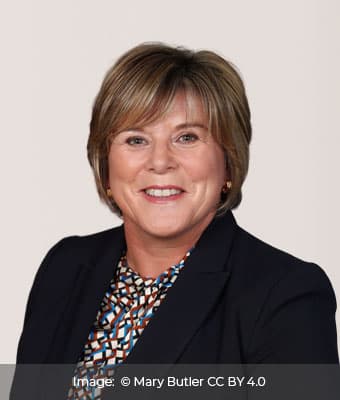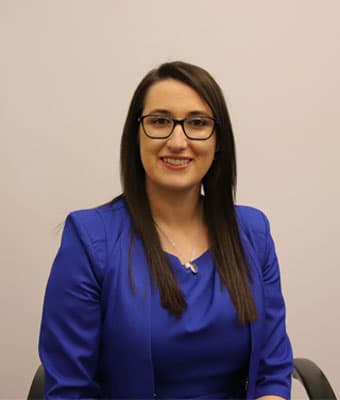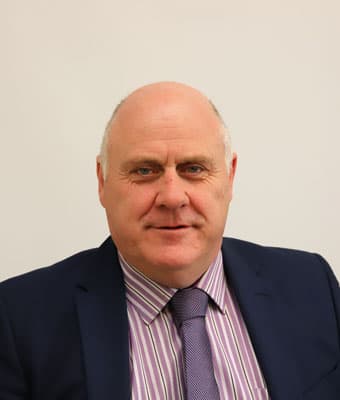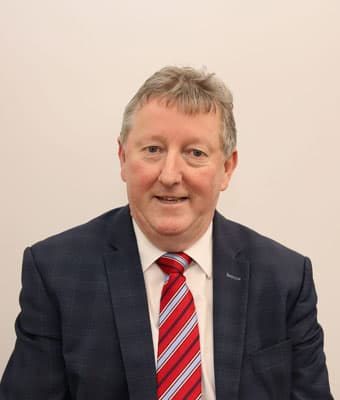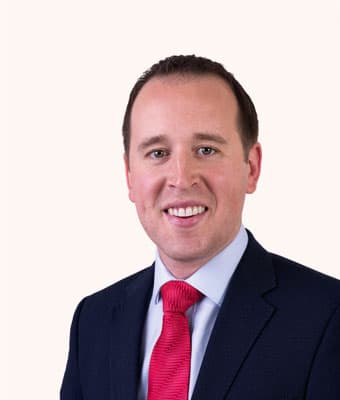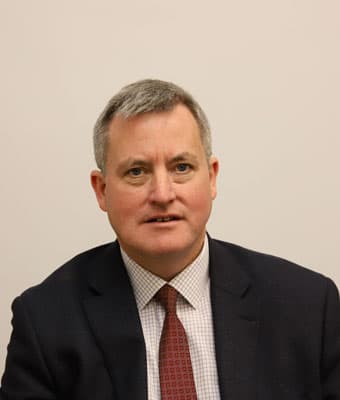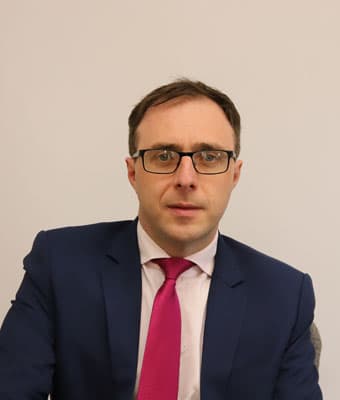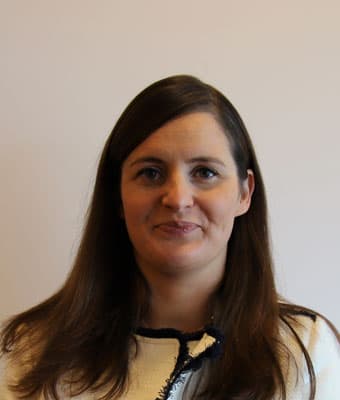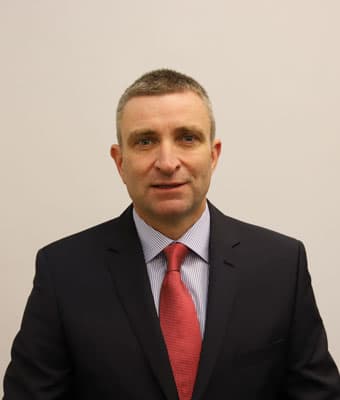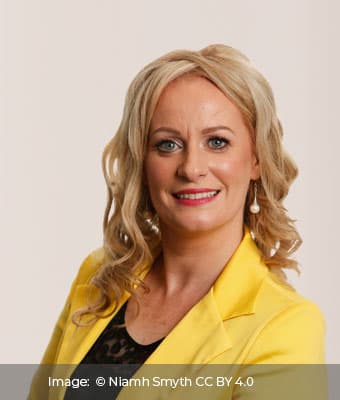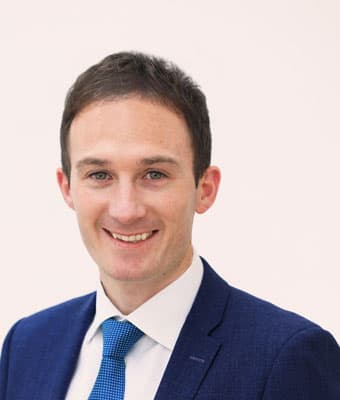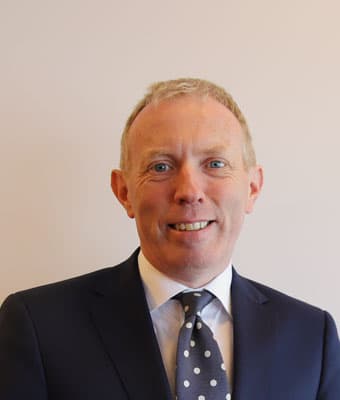
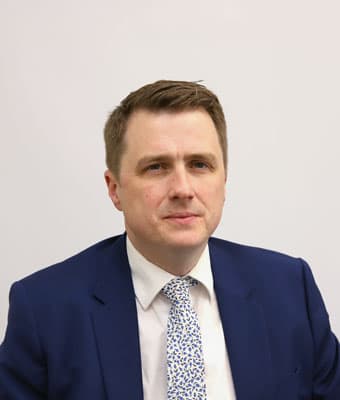
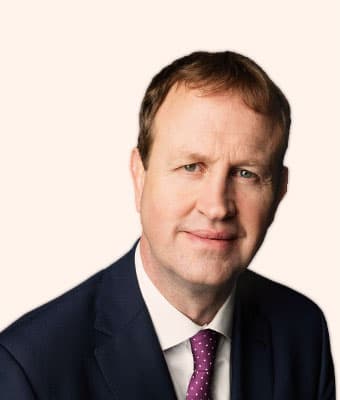
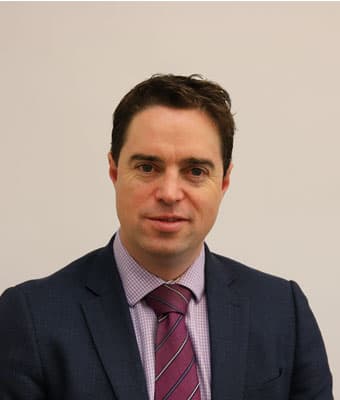
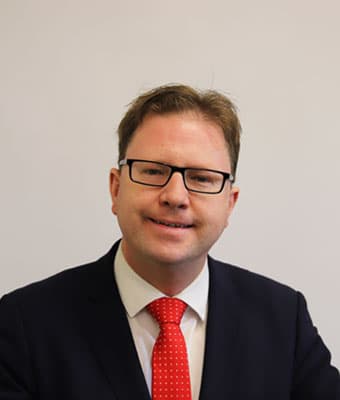
Who is in the Irish Cabinet right now?
The Cabinet is the group of senior Ministers that makes decisions as the Government. Here is the official 2026 lineup and each person's portfolio.
| Minister | Party | Government role or department |
|---|---|---|
| Micheál Martin | Fianna Fáil | Taoiseach |
| Simon Harris | Fine Gael | Tánaiste and Minister for Finance |
| Jack Chambers | Fianna Fáil | Minister for Public Expenditure, Infrastructure, Public Service Reform and Digitalisation |
| Helen McEntee | Fine Gael | Minister for Foreign Affairs and Trade; Minister for Defence |
| Darragh O'Brien | Fianna Fáil | Minister for Climate, Energy and the Environment; Minister for Transport |
| Norma Foley | Fianna Fáil | Minister for Children, Disability and Equality |
| Peter Burke | Fine Gael | Minister for Enterprise, Tourism and Employment |
| Dara Calleary | Fianna Fáil | Minister for Social Protection; Minister for Rural and Community Development and the Gaeltacht |
| Patrick O'Donovan | Fine Gael | Minister for Culture, Communications and Sport |
| Jennifer Carroll MacNeill | Fine Gael | Minister for Health |
| James Browne | Fianna Fáil | Minister for Housing, Local Government and Heritage |
| Jim O'Callaghan | Fianna Fáil | Minister for Justice, Home Affairs and Migration |
| Martin Heydon | Fine Gael | Minister for Agriculture, Food, Fisheries and the Marine |
| James Lawless | Fianna Fáil | Minister for Further and Higher Education, Research, Innovation and Science |
| Hildegarde Naughton | Fine Gael | Minister for Education and Youth |
What does each Irish Government department do?
Think of a department as the part of Government responsible for a broad policy area. Its Minister leads that work, proposes policy and is answerable to the Dáil.
| Portfolio | Minister | What the department works on |
|---|---|---|
| Taoiseach | Micheál Martin | Leads the Government and chairs Cabinet. Coordinates work across departments and sets the Government's overall direction. Represents Ireland at home and abroad and keeps the President informed on policy. |
| Tánaiste and Minister for Finance | Simon Harris | As Tánaiste, serves as deputy head of Government. Leads the Department of Finance and advises on taxation, public finances and financial policy. Presents the annual Budget and works with other Ministers on funding priorities. |
| Minister for Public Expenditure, Infrastructure, Public Service Reform and Digitalisation | Jack Chambers | Leads the department responsible for public spending rules and the civil service. Coordinates delivery of the National Development Plan and major public infrastructure investment. Leads public-service reform and digitalisation across Government. |
| Minister for Foreign Affairs and Trade; Minister for Defence | Helen McEntee | Leads diplomacy, Ireland's overseas network, consular support and foreign policy. Promotes trade with international partners alongside the relevant economic agencies. Leads the Department of Defence and has ministerial responsibility for defence policy and the Defence Forces. |
| Minister for Climate, Energy and the Environment; Minister for Transport | Darragh O'Brien | Leads climate policy, energy security, renewable energy and environmental protection. Leads national transport policy covering public transport, roads, aviation and road safety. Works across Government on emissions targets and the transition to a lower-carbon economy. |
| Minister for Children, Disability and Equality | Norma Foley | Leads policy for children's rights, early learning and childcare, and child protection. Coordinates disability policy and equality measures across Government. Works with Tusla, service providers and other departments on supports for children and families. |
| Minister for Enterprise, Tourism and Employment | Peter Burke | Leads policy on enterprise, business growth, competitiveness and employment rights. Supports job creation and works with State agencies serving businesses and investors. Leads national tourism policy and development. |
| Minister for Social Protection; Minister for Rural and Community Development and the Gaeltacht | Dara Calleary | Leads income supports including pensions, jobseeker payments, child benefit and working-age supports. Oversees employment services and supports that help people move into work. Leads rural and community development policy and supports for the Gaeltacht and Irish language. |
| Minister for Culture, Communications and Sport | Patrick O'Donovan | Leads policy and public funding for arts, culture, heritage institutions and sport. Oversees communications and media policy, including broadcasting and digital connectivity policy. Supports national cultural institutions, creative work and participation in sport. |
| Minister for Health | Jennifer Carroll MacNeill | Leads national health policy and the Department of Health. Sets the policy and legislative framework for the health service and public health. Oversees Government funding and strategic direction for health services delivered mainly by the HSE and other providers. |
| Minister for Housing, Local Government and Heritage | James Browne | Leads national housing policy, including social and affordable housing programmes. Oversees local government policy, planning legislation and the local authority system. Leads protection of built and natural heritage and supports the national heritage framework. |
| Minister for Justice, Home Affairs and Migration | Jim O'Callaghan | Leads justice policy, including criminal law, courts policy, policing and prisons. Oversees immigration, international protection and migration policy. Works with An Garda Síochána, the Courts Service and other bodies while respecting their legal independence. |
| Minister for Agriculture, Food, Fisheries and the Marine | Martin Heydon | Leads policy and supports for farming, food production and the agri-food sector. Oversees fisheries, the marine and forestry policy within the department's remit. Works on animal and plant health, food safety controls and rural economic development with public bodies. |
| Minister for Further and Higher Education, Research, Innovation and Science | James Lawless | Leads further education, apprenticeships and higher education policy. Oversees public policy and funding for research, innovation and science. Works with colleges, universities, training bodies and research agencies. |
| Minister for Education and Youth | Hildegarde Naughton | Leads policy for primary and post-primary education and the school system. Oversees curriculum, teacher policy, school funding and supports for learners with additional needs. Leads youth policy and works with schools, the National Council for Curriculum and Assessment and other bodies. |
A Minister is responsible for
- Setting the department's policy direction and proposing laws.
- Bringing proposals to Cabinet and seeking funding through the Budget.
- Answering parliamentary questions and explaining decisions to the Dáil.
A Minister does not do alone
- Deliver every service personally: civil servants and agencies do the daily work.
- Overrule judges or decide the outcome of an individual court case.
- Control independent bodies where the law gives them separate powers.
What does a Minister actually do?
A Minister is both a political decision-maker and the public face of a department. They choose priorities, bring proposals to Cabinet, steer legislation and answer questions from TDs. A Minister is accountable to the Dáil for the department, even though civil servants and public bodies carry out most services.
For example, the Health Minister sets national health policy and the Government's direction for the health service. The HSE runs many services, hospitals and community care. That distinction helps answer a common question: who is responsible for a problem? The Minister may answer for policy, while an agency or provider handles a particular appointment or case.how Ireland's health service works.
Use the department's role to find the right Minister, then check the agency or local service responsible for the individual decision. A Minister can be questioned in the Dáil about policy and administration, but cannot promise a specific result in every case.
Policy is proposed
A department develops options and a Minister decides what to bring forward.
Cabinet agrees the Government's direction
Ministers discuss major issues together and make collective decisions.
The Dáil scrutinises and legislates
TDs debate proposals, question Ministers and vote on bills and spending.
Departments and agencies deliver
Public servants and statutory bodies turn approved policy into services and programmes.
How are Irish Ministers appointed?
You vote for TDs, not directly for a Cabinet. The Dáil then plays a central part in forming the Government.
The Dáil nominates a Taoiseach
After a general election, TDs vote on who should lead the Government.
The Taoiseach proposes Ministers
The Taoiseach selects a Cabinet, normally after agreement with coalition partners.
The Dáil approves the nominations
The Dáil must approve the proposed Ministers before appointment.
The President appoints them
The President formally appoints the Ministers, and the Taoiseach assigns their departments.
Article 28 of the Constitution allows between seven and 15 members of the Government. No more than two may be Senators; the Taoiseach, Tánaiste and Minister for Finance must be TDs. The Government works collectively and is responsible to Dáil Éireann.Article 28 of the Constitution.
Minister or Minister of State: what's the difference?
| Minister | Minister of State | |
|---|---|---|
| Place in Government | A member of the Cabinet and Government | A junior Minister; not a Cabinet member |
| Typical job | Leads a department or portfolio | Supports a senior Minister on a defined area |
| Cabinet vote | Takes part in collective Government decisions | Does not vote as a Cabinet member; some attend meetings by invitation |
| Example | Minister for Health | Minister of State for Mental Health |
Ministers of State are often called junior Ministers. The Department of the Taoiseach's current directory lists 23 of them separately from the 15 members of the Government. Their assigned responsibilities can be narrow and practical, such as mental health, disability, roads or public procurement.
The Attorney General is different again: the office gives legal advice to the Government but is not a Cabinet department or a Minister's role.
How to check who is responsible for an issue
Name the issue
Be specific: school places, a welfare payment, a planning appeal and a bus route can involve different bodies.
Find the portfolio
Use the department list above to identify the Minister responsible for national policy.
Check who delivers the service
A public agency, local authority, school, hospital or independent regulator may handle the operational decision.
Open the official record
Read the latest department page, parliamentary answer, debate, bill or vote; check its date and scope.
Common assumption: A Minister personally runs every service in their portfolio.
In fact: Departments set policy, while public servants and agencies deliver much of the day-to-day work.
Common assumption: A Minister of State is one of the 15 Cabinet members.
In fact: Ministers of State support senior Ministers but are listed separately and do not vote as Cabinet members.
Common assumption: A TD's question proves the Minister's answer is independently verified.
In fact: A parliamentary answer records the Government's response at that time; follow links to the underlying data or later update.
Common assumption: Department names and portfolios never change.
In fact: A reshuffle or new Government can rename departments and reassign responsibilities. Check the current official list.
Sources
- Department of the Taoiseach: members of the 35th Government and Ministers of State (updated 2 June 2026)
- Citizens Information: Government departments
- Constitution of Ireland: Article 28
- Houses of the Oireachtas: members, roles and contact details
- Houses of the Oireachtas Open Data APIs and reuse information
- Micheál Martin: official Government biography
- Simon Harris: official Government biography
- Jack Chambers: official Government biography
- Helen McEntee: official Government biography
- Darragh O'Brien: official Government biography
- Norma Foley: official Government biography
- Peter Burke: official Government biography
- Dara Calleary: official Government biography
- Patrick O'Donovan: official Government biography
- Jennifer Carroll MacNeill: official Government biography
- James Browne: official Government biography
- Jim O'Callaghan: official Government biography
- Martin Heydon: official Government biography
- James Lawless: official Government biography
- Hildegarde Naughton: official Government biography