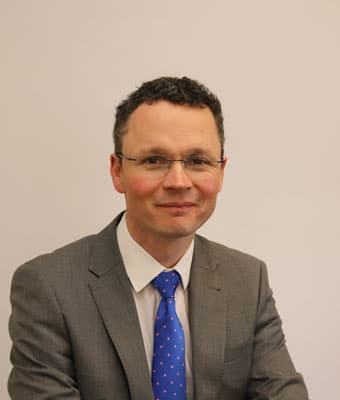
What does Patrick O'Donovan do?
- Leads policy and public funding for arts, culture, heritage institutions and sport.
- Oversees communications and media policy, including broadcasting and digital connectivity policy.
- Supports national cultural institutions, creative work and participation in sport.
Picture it in everyday life
The job in practice
Public arts funding, sports capital grants and rules for broadcasting are examples of work in this portfolio.
Ministers of State in the department
Patrick O'Donovan leads the Department of Culture, Communications and Sport. These junior ministers handle assigned areas there; they are not members of the Cabinet.
Where the minister’s powers stop
The Minister sets policy and funding programmes; independent regulators, broadcasters, sporting bodies and cultural institutions make many operational decisions.
How can you check their work?
Start with a specific decision: a policy, spending commitment or Bill. Check the department’s announcement, then look for the minister’s answer in the Oireachtas record. An announcement describes an intention; a parliamentary answer can clarify timing, funding and responsibility.
Questions people ask
- Who is the Minister for Culture in Ireland?
- Patrick O'Donovan, Fine Gael TD for Limerick County, is Minister for Culture, Communications and Sport. Checked against the Oireachtas record on 1 November 2026.
- What does the Minister for Culture do?
- Leads policy and public funding for arts, culture, heritage institutions and sport. Oversees communications and media policy, including broadcasting and digital connectivity policy. Supports national cultural institutions, creative work and participation in sport.
- Who are the Ministers of State working with the Minister for Culture?
- One Minister of State works in the Department of Culture, Communications and Sport: Charlie McConalogue (Minister of State for Sport and Postal Policy).
- Where do the Minister for Culture's powers stop?
- The Minister sets policy and funding programmes; independent regulators, broadcasters, sporting bodies and cultural institutions make many operational decisions.